
Should You Be Tested for Diabetes?
By the Albion Health team · Medically reviewed by Dr. Mirza Shaharyar Babar, M.D., CCFP · 2026-11-04
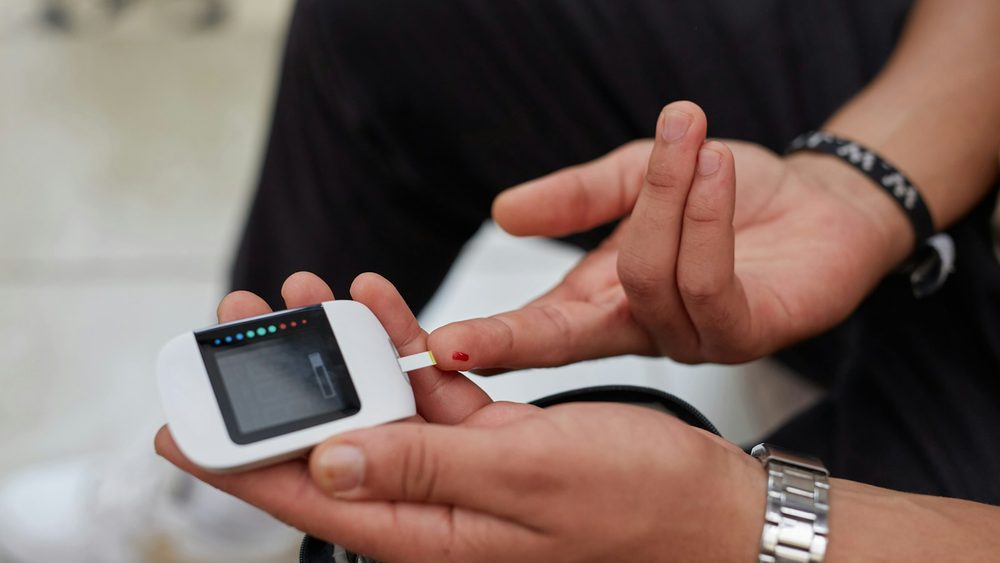
Many people live with type 2 diabetes for years before they notice anything. A simple blood test finds it early, while it is easiest to manage. November is Diabetes Awareness Month and 14 November is World Diabetes Day, so it is a good moment to ask whether you are due.
Why test if you feel fine
Type 2 diabetes usually causes no symptoms in its early years. Over time, blood sugar that stays too high can damage the eyes, kidneys, nerves and heart. A blood test can find diabetes, or the stage before it, long before that damage starts. That gives you time to do something about it.
Who should be tested, and how often
Diabetes Canada, which writes the guidelines Canadian doctors follow, recommends:
- A yearly check of your risk for everyone, usually a few questions at a regular visit
- A screening blood test every 3 years from age 40
- Earlier, and more often (every 6 to 12 months), if you are at high risk
What puts you at higher risk
Diabetes Canada’s list of risk factors includes:
- Being 40 or older
- A parent, brother or sister with type 2 diabetes
- South Asian, African, Arab, Asian, Hispanic or Indigenous descent
- Having had prediabetes, or diabetes during a pregnancy
Your doctor will ask about others too. The more of these apply to you, the sooner it is worth being tested, and the more often.
Why South Asian families should not wait
Diabetes Canada names South Asian descent as a risk factor in its own right. If your family comes from India, Pakistan, Bangladesh, Sri Lanka or Nepal, tell your doctor, because it can change when testing should start. Waiting until 40, or until symptoms appear, is not the right plan for everyone.
If it is easier to talk this through in your own language, care at Albion Health is available in English, Urdu, Punjabi and Gujarati.
The blood tests, and what the numbers mean
Screening uses one or both of two blood tests. The A1C shows your average blood sugar over the past two to three months and does not need fasting. The fasting glucose test measures your sugar after at least eight hours without food.
| A1C | Fasting glucose | What it usually means |
|---|---|---|
| Below 6.0% | Below 6.1 mmol/L | In the normal range |
| 6.0% to 6.4% | 6.1 to 6.9 mmol/L | Prediabetes range: higher risk, worth acting on |
| 6.5% or higher | 7.0 mmol/L or higher | Diabetes, when confirmed on a second test |
These are Diabetes Canada’s cut-offs. One result on its own is not a diagnosis. Your doctor reads the numbers together with your history and decides whether to repeat a test or order another.
If your result is in the prediabetes range
Prediabetes is a warning, not a verdict. Changes to eating, activity and weight can lower the chance of it becoming diabetes. Your doctor will talk through what is realistic for you, and when to test again.
Symptoms are a reason to come in now
Screening is for people who feel well. Do not wait for a screening test if you notice any of these:
- Being unusually thirsty, or needing to pee much more often
- Losing weight without trying
- Feeling very tired, or having blurred vision
- Cuts that are slow to heal, or infections that keep coming back
Walk in and we will check you the same day. If you feel very unwell, are vomiting or confused, go to the nearest emergency department or call 911.
Getting checked at Albion Health
Walk in, or see one of our family doctors. We will go through your risk, give you a requisition for the blood test, and follow up on the result with you. If you do not have a family doctor, we are accepting new patients. Any prescriptions can be filled at our on-site pharmacy before you leave.
Diabetes Screening
Diabetes Canada recommends a screening blood test every 3 years from age 40. If you are at high risk, testing should start earlier and may be repeated every 6 to 12 months. Everyone's risk should be checked once a year.
Yes. Diabetes Canada lists South Asian descent as a risk factor for type 2 diabetes, which can mean testing should start earlier. Tell your doctor if your family comes from India, Pakistan, Bangladesh, Sri Lanka or Nepal.
Not for the A1C test, which shows your average blood sugar over the past two to three months. A fasting glucose test needs at least eight hours without food. Your requisition will say which test you are having.
Blood tests your doctor orders to check for diabetes are covered by OHIP for eligible patients. Bring your OHIP card. If you do not have one, ask our front desk about self-pay options.
Yes. Walk in to Albion Health at 1625 Albion Road, Unit 104, Monday to Saturday. A doctor will assess your risk and order the blood test, with care available in English, Urdu, Punjabi and Gujarati.
Find out if you are due
Walk in Monday to Saturday. Care in English, Urdu, Punjabi and Gujarati.